
Commercial Mixers

Winco EMP-10 10 Quart Planetary Mixer
Winco
Original price
$2,419.75
-
Original price
$2,419.75
Original price
$2,419.75
$2,419.75
-
$2,419.75
Current price
$2,419.75
The Winco Spectrum Planetary Mixer is a robust floor model designed for professional kitchens, featuring a 10-liter 304 stainless steel bowl with s...
View full details
Original price
$2,419.75
-
Original price
$2,419.75
Original price
$2,419.75
$2,419.75
-
$2,419.75
Current price
$2,419.75
Winco EMP-20 20 Quart Planetary Mixer
Winco
Original price
$3,240.05
-
Original price
$3,240.05
Original price
$3,240.05
$3,240.05
-
$3,240.05
Current price
$3,240.05
The Winco EMP-20 20 Quart Planetary Mixer is engineered for professional kitchens requiring reliable, high-performance mixing. Featuring a robust 1...
View full details
Original price
$3,240.05
-
Original price
$3,240.05
Original price
$3,240.05
$3,240.05
-
$3,240.05
Current price
$3,240.05

Winco EMP-30 30 Quart Planetary Mixer
Winco
Original price
$7,000.33
-
Original price
$7,000.33
Original price
$7,000.33
$7,000.33
-
$7,000.33
Current price
$7,000.33
The Winco EMP-30 30 Quart Planetary Mixer is meticulously engineered to meet the rigorous demands of commercial kitchens, providing exceptional mix...
View full details
Original price
$7,000.33
-
Original price
$7,000.33
Original price
$7,000.33
$7,000.33
-
$7,000.33
Current price
$7,000.33


Dynamic PM001.1 LT7 Planetary Countertop Mixer – 8 Qt / 7 Liter, 115V
Dynamic
Original price
$1,965.00
-
Original price
$1,965.00
Original price
$1,965.00
$1,965.00
-
$1,965.00
Current price
$1,965.00
Dynamic PM001.1 LT7 Planetary Countertop Mixer, 8 Qt. / 7 Liter, 115V The Dynamic PM001.1 LT7 Planetary Countertop Mixer is a compact commer...
View full details
Original price
$1,965.00
-
Original price
$1,965.00
Original price
$1,965.00
$1,965.00
-
$1,965.00
Current price
$1,965.00
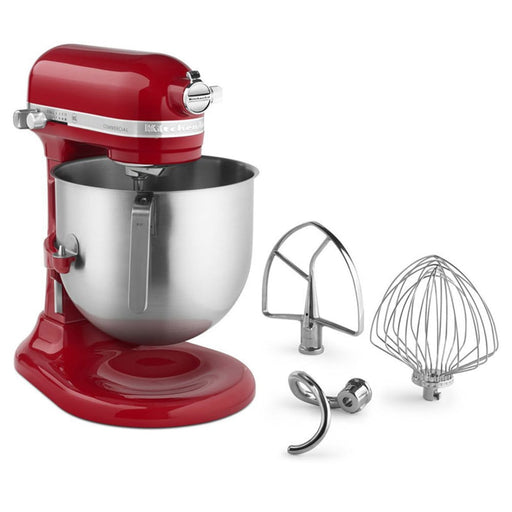
KitchenAid KSM8990ER Commercial NSF 8 Qt. Bowl-Lift Mixer - Empire Red
Kitchen AidKitchen Aid has been slow to ship lately. The average order delivery is 10 plus days. Also many items are going out of stock. Please feel free to ...
View full details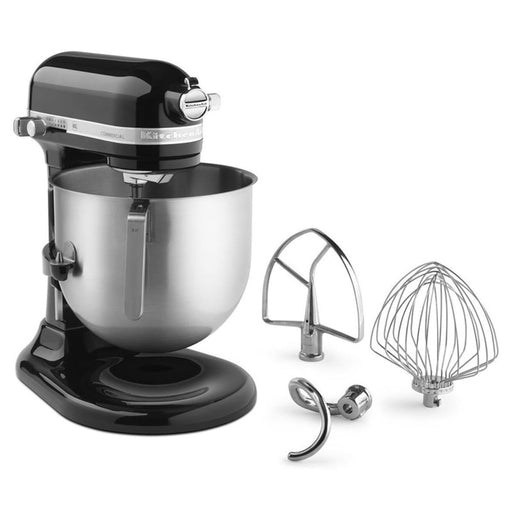
KitchenAid KSM8990OB Commercial NSF 8 Qt. Bowl-Lift Mixer - Onyx Black
Kitchen AidKitchen Aid has been slow to ship lately. The average order delivery is 10 plus days. Also many items are going out of stock. Please feel free to ...
View full details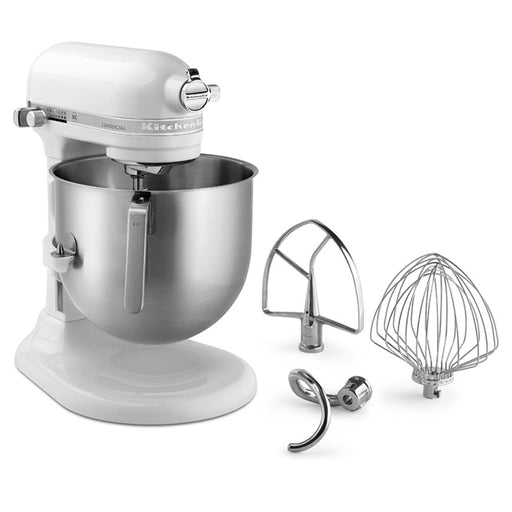
KitchenAid KSM8990WH Commercial NSF 8 Qt. Bowl-Lift Mixer - White
Kitchen AidKitchen Aid has been slow to ship lately. The average order delivery is 10 plus days. Also many items are going out of stock. Please feel free to ...
View full details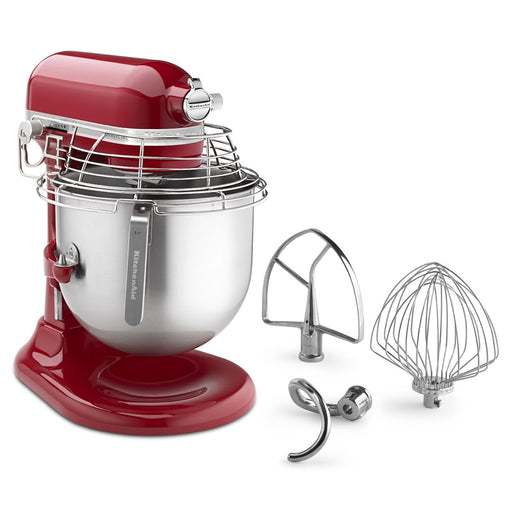
KitchenAid KSMC895ER Commercial NSF 8 Qt. Mixer with Bowl Guard - Empire Red
Kitchen AidKitchen Aid has been slow to ship lately. The average order delivery is 10 plus days. Also many items are going out of stock. Please feel free to ...
View full details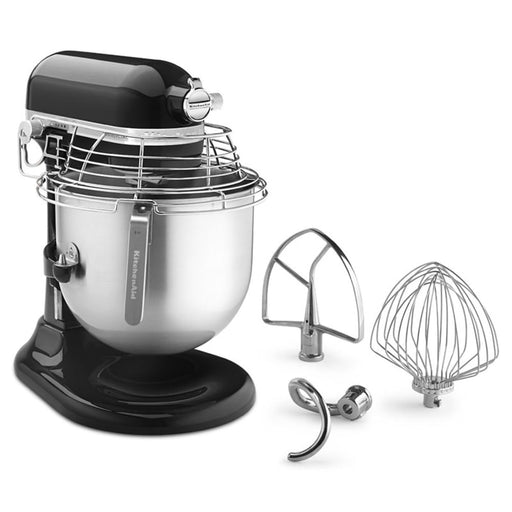
KitchenAid KSMC895OB Commercial NSF 8 Qt. Mixer with Bowl Guard - Onyx Black
Kitchen AidKitchen Aid has been slow to ship lately. The average order delivery is 10 plus days. Also many items are going out of stock. Please feel free to ...
View full details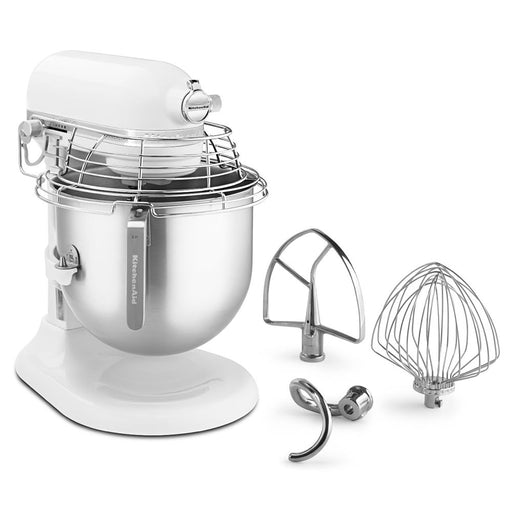
KitchenAid KSMC895WH Commercial NSF 8 Qt. Mixer with Bowl Guard - White
Kitchen AidKitchen Aid has been slow to ship lately. The average order delivery is 10 plus days. Also many items are going out of stock. Please feel free to ...
View full details
Eurodib USA LM20T ETL Spiral Mixer
Eurodib USAFood PreparationSpiral Mixer, 20 qt. capacity, 17.5 lb. maximum kneading capacity, with timer, mixing speed: 185 RPM, bowl speed: 15 RPM, 1.1kW, 11...
View full details
Eurodib LM20T 20 Qt Spiral Mixer
Eurodib USASpiral Mixer, 20 qt. capacity, 17.5 lb. maximum kneading capacity, with timer, mixing speed: 185 RPM, bowl speed: 15 RPM, 1.1kW, 110v/60/1-ph, 10 a...
View full details
Eurodib USA LM30T ETL Spiral Mixer
Eurodib USAFood PreparationSpiral Mixer, 30 qt. capacity, 26.5 lb. maximum kneading capacity, with timer, mixing speed: 185 RPM, bowl speed: 15 RPM, 2.64kW, 2...
View full details
Eurodib LM30T 30 Qt Spiral Mixer
Eurodib USASpiral Mixer, 30 qt. capacity, 26.5 lb. maximum kneading capacity, with timer, mixing speed: 185 RPM, bowl speed: 15 RPM, 2.64kW, 220v/60/1-ph, 12 ...
View full details
Eurodib USA LM40T ETL Spiral Mixer
Eurodib USAFood PreparationSpiral Mixer, 40 qt. capacity, 35 lb. maximum kneading capacity, with timer, mixing speed: 185 RPM, bowl speed: 15 RPM, 3.08kW, 220...
View full details
Eurodib LM40T 40 Qt Spiral Mixer
Eurodib USASpiral Mixer, 40 qt. capacity, 35 lb. maximum kneading capacity, with timer, mixing speed: 185 RPM, bowl speed: 15 RPM, 3.08kW, 220v/60/1-ph, 14 am...
View full details
Eurodib USA LM50T ETL Spiral Mixer
Eurodib USAFood PreparationSpiral Mixer, 50 qt. capacity, 44 lb. maximum kneading capacity, with timer, mixing speed: 185 RPM, bowl speed: 15 RPM, 3.08kW, 220...
View full details
Eurodib LM50T 50 Qt Spiral Mixer
Eurodib USASpiral Mixer, 50 qt. capacity, 44 lb. maximum kneading capacity, with timer, mixing speed: 185 RPM, bowl speed: 15 RPM, 3.08kW, 220v/60/1-ph, 14 am...
View full details
Eurodib USA LR-GM25B Spiral Mixer
Eurodib USAFood PreparationEurodib Spiral Dough Mixer, 84.5 qt. capacity, 55lb. (25kg) kneading capacity, 2-speed with built-in timer, emergency stop and bowl...
View full details
Eurodib USA LR-GM50B Spiral Mixer
Eurodib USAFood PreparationEurodib Spiral Dough Mixer, 137 qt. capacity, 110lb. (50kg) kneading capacity, 2-speed with built-in timer, emergency stop and bowl...
View full details
Dynamic USA TB002 Mixer, Floor
DynamicTransform your restaurant into a hub of innovative blending with the Dynamic USA TB002 Floor Mixer. This powerful mixer is designed to meet the dem...
View full details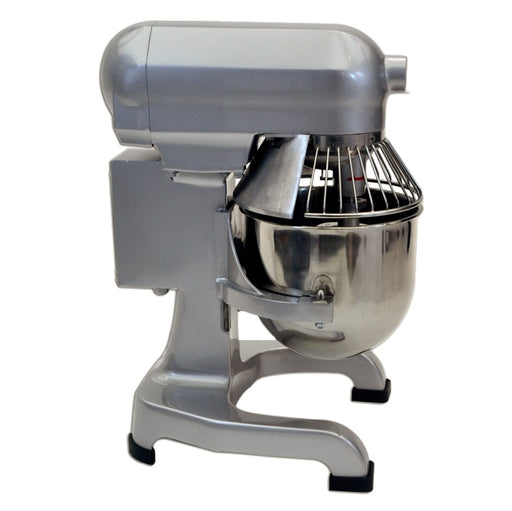
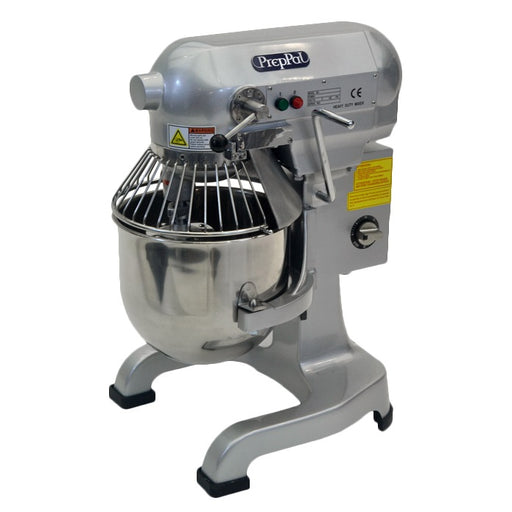
Atosa USA PPM-10 Planetary Mixers - 10 Quart 1 HP
Atosa
Out of stock
Atosa USA PPM-10 Planetary Mixers - 10 Quart 1 Horsepower Atosa is sold out of Planetary Mixers, but Winco has a 10 quart Planetary Mixer. The mixe...
View full details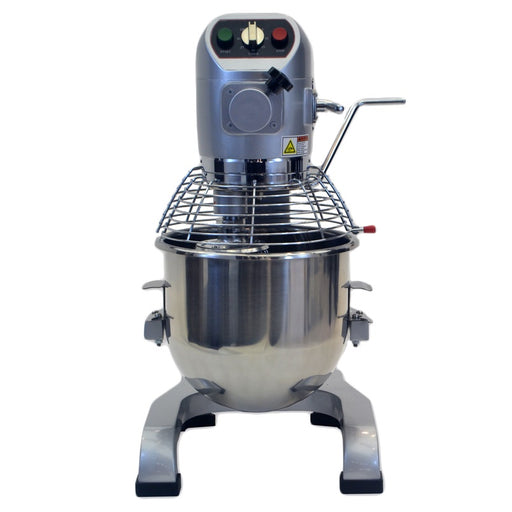
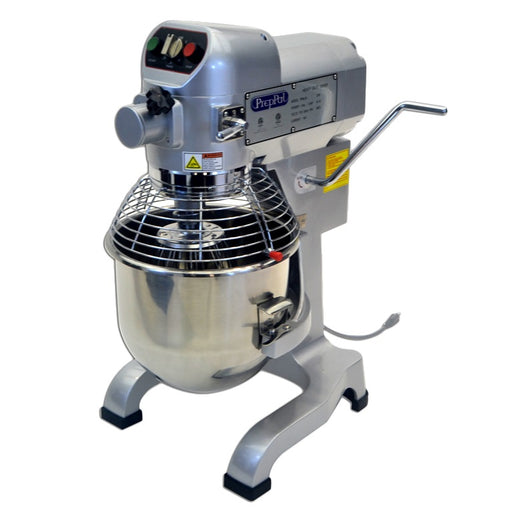
Atosa USA PPM-20 Planetary Mixers - 20 Quart 1.5 HP
Atosa
Out of stock
Atosa USA PPM-20 Planetary Mixers - 20 Quart 1.5 Horsepower Atosa is sold out, MVP does offer a good value on a 20 Quart Planetary Mixer The 20 Qua...
View full details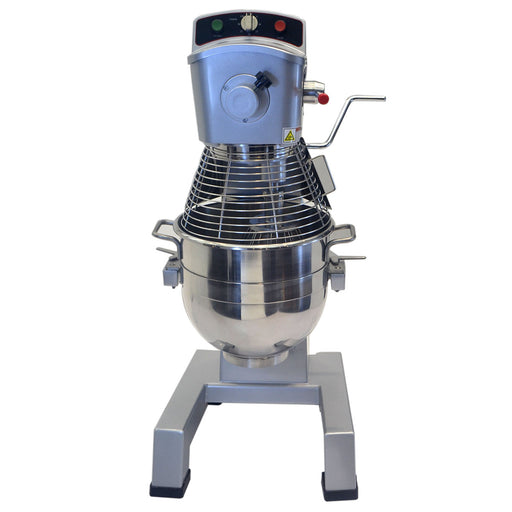
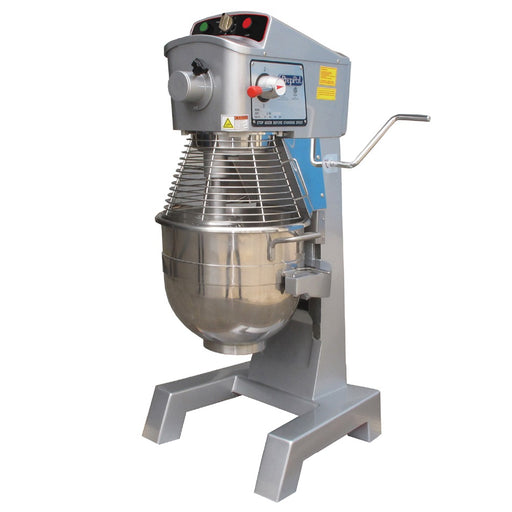
Atosa USA PPM-30 Planetary Mixers - 30 Quart 2 HP
Atosa
Out of stock
Atosa USA PPM-30 Planetary Mixers - 30 Quart 2 Horsepower Atosa is sold out, Winco does offer a good value on a 30 Quart Planetary Mixer The pla...
View full details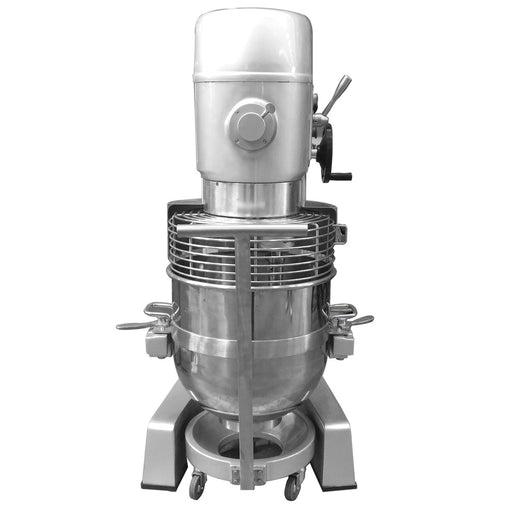
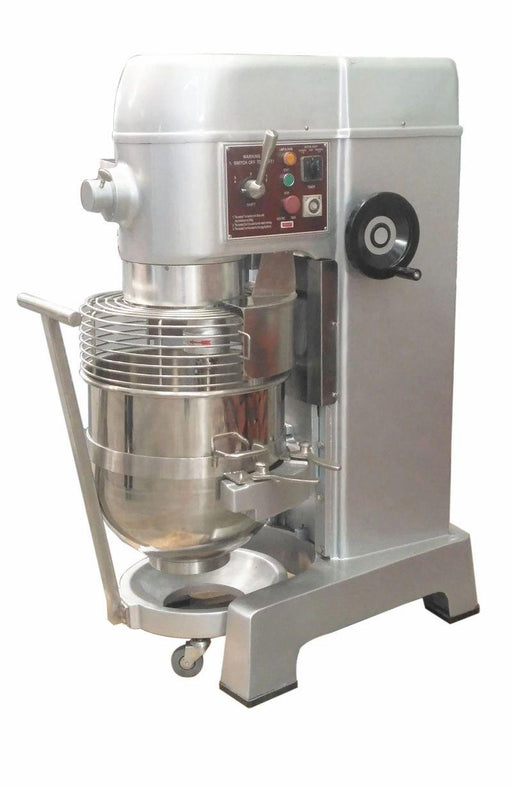
Atosa USA PPM-60 Heavy Duty Floor Mixer - 70 Quart 3.75 HP
Atosa
Out of stock
Atosa USA PPM-60 Mixers - 70 Quart Do you need 70 pounds of Pizza Dough? Then you need a 60 Quart Mixer. The Atosa Planetary Mixer can make the fol...
View full details
Commercial Mixer Buying Guide
As a culinary professional, a commercial mixer is a must-have in any kitchen. This indispensable tool saves time and effort while ensuring consistent, high-quality results. From busy bakeries to high-volume restaurants, a reliable mixer plays a critical role in food preparation.
Planetary Mixers
Planetary mixers are one of the most versatile and widely used mixers in commercial kitchens. With a powerful motor and interchangeable attachments, they can handle a wide range of tasks, including mixing dough, whipping cream, and blending ingredients.
The mixing action rotates the attachment around the bowl while simultaneously spinning it, ensuring thorough and even mixing. This makes planetary mixers ideal for bakeries, cafés, and general foodservice operations.
Spiral Mixers for Dough
For heavy dough applications, spiral mixers are the preferred choice. These mixers are designed specifically for bread and pizza dough, offering better gluten development and more consistent results for high-volume baking.
Popular Mixer Sizes
Commercial mixers come in a variety of sizes to match production needs. Compare 8-, 10-, 20-, and 30-quart options with larger production models using the exact recipe, bowl volume, and rated dough capacity rather than model numbers alone.
Best Uses for Commercial Mixers
- Kneading dough for bread and pizza
- Whipping cream and eggs
- Mixing batters and sauces
- Preparing large batches efficiently
Why Choose a Commercial Mixer?
A commercial mixer improves efficiency, consistency, and productivity in any kitchen. Whether you're running a bakery, pizzeria, or restaurant, investing in a high-quality mixer helps streamline prep work and ensures reliable results every time.
Looking for specific brands? Browse our KitchenAid mixers for trusted performance in commercial and light-duty applications.
Planetary vs. Spiral Mixers: Which Fits Your Menu?
Start with what you make and the size of each batch, rather than choosing by motor horsepower alone. A bakery mixing cake batter, buttercream, cookies, and occasional dough has different needs from a pizzeria kneading repeated batches of pizza dough.
| Mixer type | Mixing action | Best starting point for | What to check |
|---|---|---|---|
| Planetary mixer | An attachment spins while orbiting a stationary bowl. | Batters, buttercream, whipped cream, mashed potatoes, and dough within the model's capacity limits. | Included hook, beater, and whip; permitted speeds; recipe-specific capacity. |
| Spiral mixer | A spiral hook rotates while the bowl turns. | Dedicated bread and pizza dough production. | Minimum and maximum dough weight, hydration limits, bowl access, and power requirements. |
| Countertop stand mixer | Usually a compact planetary design. | Cafés, pastry stations, small bakeries, and smaller prep batches. | Counter strength, working clearance, duty cycle, and smallest practical batch. |
| Floor mixer | May use planetary or spiral mixing. | Larger batches and production kitchens needing a dedicated mixing station. | Delivery access, floor space, bowl handling, electrical supply, and service clearance. |
“Stand” and “floor” describe the machine's installation, not a separate mixing action. A commercial planetary mixer can be a countertop or floor model, and a larger bowl does not automatically make it suitable for every dough recipe.
Choosing Commercial Mixer Size and Dough Capacity
Bowl volume and usable dough weight are different measurements. A 20-quart bowl is not a promise that the machine can knead 20 pounds of every dough, and two mixers with the same bowl volume can have different operating limits.
Write down your largest batch in pounds, the recipe, batches per shift, and the time available for mixing. Then compare those requirements with the manufacturer's capacity chart, including the specified dough attachment, speed, mixing time, and minimum batch size.
- 8-quart countertop mixers: Compare the Dynamic PM001.1 LT7 and KitchenAid Commercial 8-quart models for smaller batches, pastry work, and café prep.
- 10-quart planetary mixers: The Winco EMP-10 and Atosa PPM-10 provide another size option when matching your recipe to a compact production station.
- 20-quart mixers: Compare the Winco EMP-20 and Atosa PPM-20 planetary models with the Eurodib LM20T spiral mixer according to your mix of general prep and dough work.
- 30-quart mixers: The Winco EMP-30, Atosa PPM-30, and Eurodib LM30T offer planetary and spiral choices for larger batches.
- Larger production: Compare the Eurodib LM40T, LM50T, and Atosa PPM-60 floor mixer using the exact model specification and recipe chart. Do not infer capacity from a model number alone.
Absorption Ratio: Why Stiff Dough Changes the Decision
Absorption ratio, often shortened to AR, is water weight divided by flour weight, multiplied by 100. For example, 6 pounds of water and 10 pounds of flour give 60% AR; this is a recipe calculation, not the mixer's rated load.
A stiff, lower-hydration dough can place a different load on a mixer than a softer recipe. Use the capacity chart for your dough's absorption ratio and ingredients rather than a generic “60 percent capacity rule.” Leave practical room for production changes, but choose that margin from your workload and the manufacturer's limits instead of a fixed percentage.
KitchenAid Commercial 8-Quart Mixers
KitchenAid Commercial 8-quart bowl-lift mixers suit smaller commercial batches of batter, frosting, whipped cream, and dough within the manufacturer's limits. These commercial models should be evaluated separately from household mixers when equipping a café, bakery, or restaurant prep station.
The KSMC895 series is listed with a bowl guard and comes in Empire Red, Onyx Black, and White. The KSM8990 bowl-lift series is also offered in Empire Red, Onyx Black, and White; compare the exact package instead of assuming both series include the same guard and accessories.
For repeated larger dough batches, compare a larger planetary mixer or a dedicated spiral mixer before ordering. A smaller commercial stand mixer can still be useful alongside a production mixer for icing, fillings, test recipes, and prep that would be impractical in a large bowl.
Replacement bowl compatibility: Before ordering an extra or replacement bowl, record the mixer’s complete model number and check the manufacturer’s compatibility information for both the bowl and mixing attachments. Do not assume that every KitchenAid bowl-lift mixer accepts the same 8-quart bowl, or that fitting a larger bowl increases the machine’s rated mixing capacity.
Atosa, Winco, Dynamic, and Eurodib Mixers
Compare brands through the job each model needs to do. Bowl size, attachments, controls, dough capacity, and service requirements are more useful buying criteria than a brand name or horsepower figure by itself.
- Atosa planetary mixers: The PPM range includes 10-, 20-, and 30-quart models plus the larger PPM-60 floor model. Check the individual capacity chart for dough, batter, cream, and other recipes.
- Winco EMP mixers: EMP-10, EMP-20, and EMP-30 cover 10-, 20-, and 30-quart planetary sizes for commercial prep.
- Dynamic countertop mixing: The PM001.1 LT7 is listed with an 8-quart / 7-liter bowl, 11 mixing speeds, a timer, touchscreen controls, and a hook, beater, and whip.
- Eurodib spiral mixers: Compare the LM and LR-GM models below for bread and pizza dough production, using the exact model's kneading limits rather than bowl volume alone.
Bowls, Attachments, and Transmission Choices
A dough hook, flat beater, and wire whip serve different jobs. Confirm which tools come with your mixer and which recipes and speeds the manufacturer permits for each attachment.
- Dough hook: Used for approved dough recipes within the machine's mixing limits.
- Flat beater or paddle: Used for many batters, frostings, cookie mixtures, and other general mixing tasks.
- Wire whip: Used for whipping cream, egg whites, and other suitable aerated mixtures.
- Powered attachment hub: Some planetary models accept compatible accessories. Confirm hub size, accessory approval, and operating instructions; not every mixer has the same connection.
- Extra mixer bowl: A compatible second bowl can help stage batches. Match the bowl, attachment, and lift arrangement to the exact model rather than buying by quart size alone.
Separate ingredient bowls are useful for weighing flour, portioning ingredients, and staging prep, but they do not replace the mixer's fitted bowl. Choose food-contact materials suited to the ingredients and follow the bowl manufacturer's cleaning and temperature instructions.
Gear-Driven vs. Belt-Driven Mixers
Gear-driven systems transmit power through gears; belt-driven systems use belts and pulleys. Either design needs to be judged by the manufacturer's rated workload, service instructions, and parts support rather than a blanket claim that one is always stronger, quieter, or cheaper to maintain.
Ask whether speed changes require the mixer to stop, what routine service is needed, and who will handle repairs. Do not assume a belt will protect an overloaded motor or that a gear-driven machine can safely exceed its dough rating.
Electrical Supply, Installation, and Safety
Confirm voltage, frequency, phase, amperage, plug type, and circuit requirements before ordering. Countertop and floor models vary, so neither bowl size nor appearance tells you whether a mixer will work with an existing outlet.
Measure doorways and the route to the mixing station as well as the machine's footprint. Allow room to lift the head or bowl, open the guard, load ingredients, remove attachments, and move a full bowl safely.
Check the exact model's sanitation and electrical listings against your local requirements. Keep guards and interlocks in place, follow the operating manual, and never reach into a running mixer or bypass a safety device.
Commercial Mixer Cleaning and Maintenance
Stop and disconnect the mixer as instructed before cleaning or removing attachments. Clean and sanitize food-contact surfaces using approved products and methods, and follow the manual rather than assuming every bowl, attachment, or finish is dishwasher safe.
- After use: Remove food residue from the bowl and attachments, clean accessible surfaces, and keep ventilation openings clear without spraying water into the motor or controls.
- Routine checks: Inspect the cord, bowl seating, attachment fit, guard, and accessible fasteners. Follow the manufacturer's schedule for checking safety features.
- Scheduled service: Lubrication, belt adjustment, and gearbox work vary by model. Use specified lubricants and qualified service personnel where required; do not open a sealed drive system based on a generic maintenance schedule.
If the mixer vibrates, stops unexpectedly, makes a new noise, or allows an attachment to strike the bowl, stop using it and investigate before restarting. Check loading and setup against the manual and contact service when the cause is unclear.
Commercial Mixer Buying Checklist
Before choosing a bakery mixer or pizza dough mixer, gather the details that affect daily production. This helps you compare suitable equipment without paying for unused capacity or selecting a machine that cannot handle your recipe.
- List recipes, dough hydration, largest batch weight, and batches per shift.
- Choose planetary versatility or dedicated spiral dough mixing.
- Check minimum and maximum batch limits, approved speeds, and duty cycle.
- Confirm included bowls, attachments, guard, and any accessory compatibility.
- Verify electrical supply, delivery access, installation space, and bowl handling.
- Review warranty terms, maintenance requirements, and service support.
For purchase planning, review restaurant equipment financing or ask about equipment rental availability for your application. Confirm current model availability and specifications before committing to an installation date.
Commercial Mixer Questions
What is the best mixer for pizza dough?
A spiral mixer is a useful starting point for a kitchen focused on repeated pizza dough batches. A planetary mixer can handle approved dough recipes while also mixing batter and whipping cream; the right choice depends on batch weight, hydration, production schedule, and the model's rating.
Can a planetary mixer handle bread dough?
Yes, when the recipe, attachment, speed, and batch size are within its specifications. For a bread-focused operation, compare a spiral model as well and use the manufacturer's capacity chart to evaluate both options.
Is an 8-quart commercial mixer enough for a bakery?
It may suit smaller batches, pastry prep, or a secondary mixing station. Decide from your largest recipe and daily schedule, not the word “bakery” alone; higher-volume dough production may need a larger machine.
Can I change mixer speeds while it is running?
Only if the manufacturer's instructions permit it. Some transmissions require a complete stop before changing speeds, while other control systems allow adjustments during operation.
Does every commercial mixer require three-phase power?
No. Electrical requirements vary by model, so check the current specification sheet and nameplate with your installer before ordering.
Eurodib Spiral Mixers
Eurodib commercial spiral mixers from 20 through 50 quarts: bakery-grade dough mixers for high-volume pizza and bread production:
- Eurodib LM20T 20 Qt Spiral Mixer
- Eurodib USA LM20T ETL Spiral Mixer
- Eurodib LM30T 30 Qt Spiral Mixer
- Eurodib USA LM30T ETL Spiral Mixer
- Eurodib LM40T 40 Qt Spiral Mixer
- Eurodib USA LM40T ETL Spiral Mixer
- Eurodib LM50T 50 Qt Spiral Mixer
- Eurodib USA LM50T ETL Spiral Mixer
- Eurodib USA LR-GM25B Spiral Mixer
- Eurodib USA LR-GM50B Spiral Mixer
Dynamic Vertical Cutter Mixer
The Dynamic TB002 is a floor-standing vertical cutter mixer: a professional prep tool for high-volume restaurants, commissaries, and food production. Tilting bowl for easy access, variable speed, and cutter blade attachment for versatile mixing, chopping, and pureeing at scale.