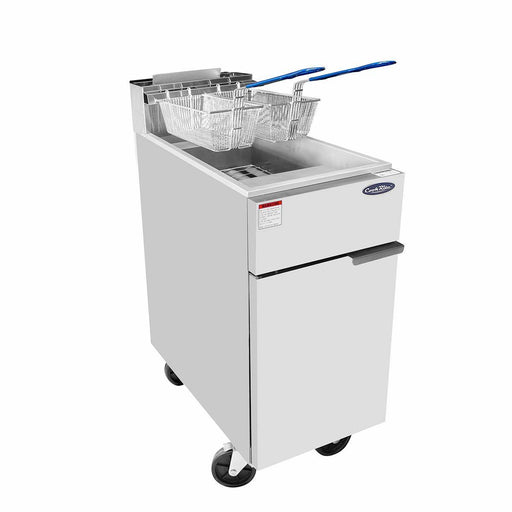
50 Lb Fryer Guide: Choosing the Right One for Your Restaurant
Your fryer isn't just another piece of equipment; it's a profit center. Fried appetizers and sides are some of the highest-margin items on your menu, but only if your kitchen can keep up. To deliver consistent quality at high volume, you need the right machine. That’s where a commercial 50 lb fryer comes in. It’s built to handle the relentless pace of a busy service, turning out perfectly crispy food that keeps customers coming back. Choosing the right model is a critical business decision, and we'll help you find the perfect one for your kitchen's needs.
Key Takeaways
- Choose a Fryer That Fits Your Real-World Needs: Before you buy, confirm your kitchen’s utility connections, measure your available space, and select a size based on the volume of fried food you actually sell to ensure it’s a perfect fit from day one.
- Invest in Features That Save Money Over Time: The initial price is just one part of the cost. Prioritize durable stainless steel construction and look for smart features like a cool zone or a built-in filtration system to reduce your long-term oil and energy expenses.
- Master Your Daily Process for Consistent Results: Great fried food depends on consistent habits. Control the temperature accurately, avoid overloading the baskets to prevent greasy food, and stick to a daily cleaning routine to protect your equipment and your food's flavor.
Decoding the 50 lb Commercial Fryer
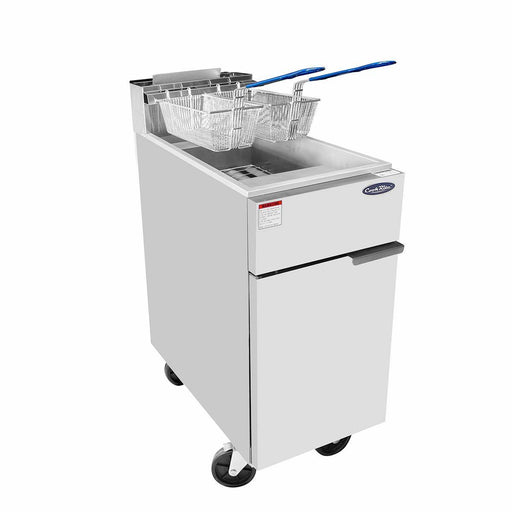
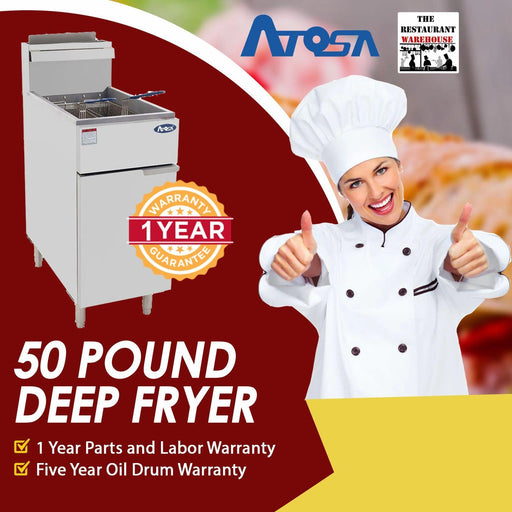
When you see "50 lb fryer," it's referring to the amount of oil the fryer vat can hold—in this case, 50 pounds. This isn't your average countertop appliance; it's a serious piece of commercial kitchen equipment designed for high-volume output. Think of it as the powerhouse of your frying station, ready to handle the busiest dinner rush. Choosing the right fryer size is a big decision, as it directly impacts your kitchen's efficiency and your ability to serve consistently crispy, delicious food to your customers. Let's get into the specifics to see if this workhorse is the right fit for your operation.
What Sets a 50 lb Fryer Apart?
A 50 lb commercial fryer is built for the grind of a professional kitchen. Unlike smaller models that might struggle with back-to-back orders, these units are designed for continuous, heavy use. They maintain stable oil temperatures even when you're dropping in basket after basket of frozen fries or fresh chicken. This consistency is what separates a professional setup from an amateur one, ensuring every dish comes out perfectly cooked. These commercial deep fryers are constructed with durable materials to withstand the daily demands of a busy restaurant, making them a reliable part of your kitchen team for years to come.
How Much Food Can It Actually Cook?
Here’s where a 50 lb fryer really shines. The general rule of thumb is that a quality fryer can cook about 1.5 to 2 times its oil weight in food per hour. For a 50 lb fryer, that means you can expect to produce between 75 and 100 pounds of fried food every hour. Imagine what that means during your peak service times. That’s hundreds of orders of french fries, onion rings, or crispy chicken wings flying out of the kitchen, keeping your customers happy and your ticket times low. This high output is essential for any business that relies on fried items to drive its menu.
Is a 50 lb Fryer the Right Fit for Your Kitchen?
So, how do you know if this is the fryer for you? A 50 lb model is the sweet spot for many busy establishments, including full-service restaurants, popular food trucks, and high-traffic concession stands. If your menu features a significant number of fried foods—from appetizers to main courses—this fryer can easily keep up with demand. Take a look at your sales data. Are fried items your bestsellers? Do you find your current fryer is a bottleneck during busy shifts? If you answered yes, upgrading to a 50 lb fryer is a smart move. It’s a core piece of restaurant equipment that supports growth and efficiency.
Understanding Key Fryer Terminology
Before you start comparing models, it helps to speak the language. Getting familiar with a few key terms will make it much easier to understand the features and benefits of different commercial fryers. This isn't just technical jargon; knowing what these words mean will directly help you choose a machine that saves you time, money, and headaches down the road. Think of this as your quick-start guide to fryer specs, so you can confidently select the equipment that will perform best for your specific menu and kitchen workflow.
Frypot
The frypot is simply the tank or vat that holds the cooking oil. Its design, however, is anything but simple. The shape and material of the frypot can significantly affect how evenly the oil heats and how easy the fryer is to clean. Some are designed with a "cool zone" at the bottom to collect sediment, while others have a flat bottom for specialty items. When you're looking at different deep fryers, pay close attention to the frypot's construction. A well-designed frypot not only improves the quality of your food but also extends the life of your cooking oil, which is a major operational expense.
Recovery
Recovery, or recovery time, refers to how quickly the fryer's oil returns to its ideal cooking temperature after you've dropped in a basket of cold or frozen food. This is a critical factor in a high-volume kitchen. A fryer with a fast recovery time means you can cook batch after batch without delay, ensuring food comes out consistently crispy, not greasy or oil-logged. Slow recovery is a recipe for soggy fries and long ticket times. When you're serving a full house, you need a fryer that can keep up, and a quick recovery time is the key to maintaining both speed and quality.
Sediment
Sediment is the term for all the little bits and pieces—like breading, batter, and small crumbs—that fall off food during the frying process. If left to float around and burn in the hot oil, sediment can degrade the oil's quality, giving your food a bitter, burnt taste. This is why many fryers are designed with a cool zone at the bottom of the frypot. This area keeps the oil at a lower temperature, allowing sediment to sink and collect without burning. Managing sediment effectively is essential for preserving the flavor of your food and getting the most life out of every batch of oil.
Battery
A fryer battery isn't something you need to charge. In the world of kitchen equipment, a battery refers to a setup of two or more fryer units sold and installed together as a single piece of equipment. These units often share a common gas or electrical connection and can be integrated with a shared filtration system. A battery is a fantastic solution for kitchens that need to fry different types of food simultaneously without flavor transfer—think french fries in one fryer and breaded fish in another. It provides the high-capacity output you need while streamlining your frying station into one efficient, cohesive system.
Types of Commercial Fryers
Not all fryers are created equal. The right type for your kitchen depends heavily on what you're cooking. From delicate, battered fish to high volumes of frozen fries, there's a fryer designed to handle the job perfectly. Understanding the core differences between gas and electric models, as well as the various pot designs, will help you make an informed decision. Choosing the right type ensures your food comes out great every time and helps your kitchen run more efficiently. Let's break down the most common types you'll find on the market.
Gas Tube Fryers
Gas tube fryers are the go-to choice for foods that leave behind a lot of crumbs, like breaded chicken, fish, and onion rings. These fryers have tubes that run through the oil to heat it, creating a natural "cold zone" at the bottom of the frypot. This is where sediment and crumbs collect without burning, which is a huge advantage for preserving oil quality and preventing flavor transfer. If your menu is heavy on breaded items, a tube fryer is a smart investment that will help your oil last longer and keep your food tasting fresh, batch after batch.
Gas Open Pot Fryers
If you're cranking out high volumes of food that don't leave much sediment, like french fries or non-battered vegetables, a gas open pot fryer is an excellent choice. In these models, the heating elements are located on the outside of the frypot, leaving the inside smooth and unobstructed. This open design makes them incredibly easy to clean. They are known for their rapid recovery times, making them perfect for keeping up with the relentless demand for popular sides. For kitchens focused on speed and simple maintenance, the open pot design is hard to beat.
Gas Flat Bottom Fryers
Gas flat bottom fryers are more of a specialty item, but they are indispensable for certain types of food. Their wide, shallow, and completely flat frypot is perfect for items that need space to float as they cook, such as foods with wet batters like tempura, or delicate items like donuts and funnel cakes. Because there are no tubes or heating elements inside the pot, there's nothing for the batter to stick to. This design ensures these specialty foods cook evenly without being damaged, making them a must-have for bakeries, concession stands, or restaurants with unique fried offerings.
Electric Fryers
Electric fryers are powerhouses of efficiency and precision. They work by submerging electric heating elements directly in the oil. This direct contact allows them to heat up faster and offer some of the quickest recovery times available, which is a huge plus for maintaining consistent food quality during a rush. They are also more energy-efficient than their gas counterparts since less heat is lost into the surrounding kitchen environment. If you don't have a gas hookup or prioritize precise temperature control and energy savings, an electric fryer is an outstanding option for your kitchen.
Essential Features for Your Next Commercial Fryer
When you start comparing different deep fryers, the details can feel overwhelming. But focusing on a few key features will help you cut through the noise and find a machine that truly fits your kitchen's workflow. Think about how you’ll use the fryer day-to-day. Are you frying delicate items that need precise heat, or are you running a high-volume operation where oil life is a major cost factor? The right features can make your team more efficient, improve food quality, and even save you money in the long run. Let’s walk through the most important things to check before you add a fryer to your cart.
Nailing Temperature Control and Consistency
Consistent temperature is the secret to perfectly cooked fried food, every single time. Look for a fryer with controls that match your menu's needs. Most models offer a temperature range between 200°F and 400°F, which covers everything from french fries to doughnuts. You’ll generally find two types of controls: manual knobs and digital displays. Knobs are simple and reliable, but digital controls offer pinpoint accuracy, allowing you to set a precise temperature and trust the fryer to hold it. This precision helps prevent undercooked or burnt food, ensuring every plate that leaves your kitchen meets your standards.
Built-In Oil Filtration and Management
Frying oil is a significant recurring expense, so features that extend its life are a smart investment. Many quality fryers have a "cool zone" at the bottom of the pot. This is an area where the oil temperature is lower, allowing crumbs and sediment to sink without burning. Burnt sediment breaks down oil faster and can transfer off-flavors to your food, so a cool zone keeps your oil cleaner for longer. Some advanced models also include built-in filtration systems. While they add to the initial cost, these systems make it much easier and safer for your staff to filter oil daily, which can dramatically reduce your overall oil consumption.
Assessing Build Quality and Materials
A commercial fryer is a workhorse, and it needs to be built to withstand the demands of a busy kitchen. The gold standard for construction is stainless steel. Look for fryers with a stainless steel pot, front, and sides. This material is incredibly durable, resists rust and corrosion, and is easy to clean at the end of a long shift. A well-built fryer won't just last longer; it will also be safer and more straightforward to maintain. When you shop restaurant equipment, checking for sturdy, all-welded construction is a good sign that the unit is designed for professional use.
Key Safety Features to Protect Your Staff
Nothing is more important than the safety of your staff and your restaurant. Modern commercial fryers come with critical safety mechanisms built-in. One of the most important is a high-limit shut-off, which automatically cuts the heat if the oil gets dangerously hot, preventing fires. You should also look for fryers that are NSF Listed. This certification means the equipment has been tested and meets public health and safety standards, which is often a requirement to pass health inspections. These features aren't just nice to have—they are essential for protecting your business and your team.
Matching the Fryer to Your Power Source
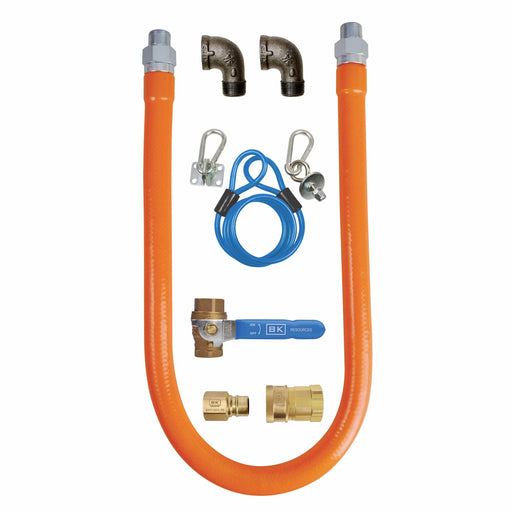
Before you fall in love with a specific fryer, confirm that your kitchen can support it. This is a crucial step that can save you from major installation headaches. If you're considering an electric fryer, check its voltage requirements. Does it need a 120V, 220V, or a 3-phase connection, and do you have the right outlets available? For gas fryers, you’ll need to verify the size of your gas line and ensure it can provide enough BTUs to power the unit, especially if you plan on running multiple pieces of gas equipment. A quick check of your utility setup will ensure a smooth installation process.
Advanced Features and Accessories
Once you've covered the basics like size and power source, it's time to look at the features that can make a real difference in your day-to-day operations. Modern commercial deep fryers offer a range of advanced options designed to improve consistency, enhance safety, and increase efficiency. While these features might add to the initial price tag, they often pay for themselves over time through labor savings, reduced oil costs, and better-quality food. Think of them as investments in a smoother, more profitable kitchen workflow. Let's explore some of the most impactful features and accessories to consider for your frying station.
Split-Pot Fryers
A split-pot fryer is a single unit that contains two smaller, separate fry pots, each with its own independent controls. This design is incredibly useful for kitchens that need to cook different types of food at the same time without flavor transfer. For example, you can dedicate one pot to french fries and the other to breaded fish, ensuring your fries don't end up with a fishy taste. This setup is also perfect for managing allergens, allowing you to keep one pot free of common allergens like seafood or gluten. It gives you the versatility of two fryers while only taking up the floor space of one.
Automatic Basket Lifts
Automatic basket lifts take the guesswork out of frying and add a layer of safety and consistency to your kitchen. With this feature, your staff can load the basket, press a button, and the machine will automatically lower the food into the oil and lift it out when the cooking cycle is complete. This eliminates the risk of over- or under-cooking, ensuring every batch is fried to perfection. It also reduces the chance of dangerous splashes from manually dropping baskets into hot oil. By automating this simple task, you free up your cooks to focus on other prep work, making your entire line more efficient during a busy rush.
Programmable Controls
For ultimate consistency, look for a fryer with programmable controls. These digital systems allow you to save specific time and temperature settings for various items on your menu. Want your chicken wings to cook for exactly eight minutes at 350°F? Just program it in. This feature makes it incredibly easy to train new employees and guarantees that customers receive the same high-quality product with every visit. It removes human error from the equation, giving you precise control over your food and ensuring your standards are met, even during the most hectic shifts.
Ventless Fryers
If your kitchen has limited space or lacks a traditional ventilation hood, a ventless fryer can be a game-changer. These self-contained units are equipped with advanced filtration systems that remove grease-laden vapor and cooking odors, eliminating the need for an expensive overhead hood. This makes them an excellent choice for smaller operations, food trucks, concession stands, or any business looking to add fried foods to their menu without undertaking a major kitchen renovation. Ventless models offer flexibility and can save you a significant amount on installation costs, opening up new possibilities for your menu.
Common Accessories
The right accessories are essential for maintaining your fryer and ensuring a smooth workflow. Every fryer setup needs basics like fry baskets and a skimmer for removing floating sediment from the oil. A dedicated crumb scoop helps you clean out the cool zone effectively. If your fryer doesn't have a built-in filtration system, a portable oil filter machine is a wise investment that will dramatically extend the life of your cooking oil, saving you money over time. Having these key pieces of restaurant equipment on hand will help your team work more safely and efficiently while protecting the quality of your food.
Commercial Fryer Brands We Trust
Once you know what features you need, it's time to look at brands. The right brand for your kitchen depends on your menu, volume, and budget. Some are known for their cutting-edge tech, while others are praised for their simple, rugged reliability. Let's walk through some of the most trusted names in the industry so you can find the perfect fit for your team.
The Restaurant Warehouse
At The Restaurant Warehouse, our focus is on providing high-quality equipment that won't break the bank. Our line of deep fryers is built with durable materials designed to handle the daily grind of a commercial kitchen. We prioritize features that matter most to chefs, like fast heat recovery to keep up with orders during a rush and simple controls that your team can master quickly. We believe in making smart, informed decisions, and our selection reflects that commitment to performance and value, ensuring you get a reliable workhorse for your kitchen.
Vulcan Equipment
Vulcan has earned a strong reputation for building high-performance kitchen equipment, and their fryers are no exception. They are known for their durability and efficiency, making them a solid investment for any serious kitchen. A standout feature for many Vulcan models is the advanced oil management system. This technology helps filter and preserve your cooking oil, extending its life and saving you significant money on supplies over time. If you're looking for a fryer that combines quality construction with smart, cost-saving features, Vulcan is a brand worth exploring.
Frymaster
If you're interested in innovative technology and energy efficiency, Frymaster is a brand that should be on your radar. They are leaders in creating fryers that deliver incredibly consistent results, which is key for maintaining food quality. Their designs often focus on minimizing oil usage without sacrificing performance, helping you manage operational costs. For kitchens that want to leverage modern features to get a precise, repeatable cook every time while keeping an eye on the bottom line, Frymaster offers some of the most advanced and efficient options on the market.
Pitco
When you ask seasoned chefs about fryers that last, you'll hear the name Pitco come up again and again. This brand is practically synonymous with longevity and reliability. Pitco fryers are built to be workhorses, with many operators reporting they outlast other equipment in the kitchen. Models like the Pitco 35C+S are famous for their straightforward design and dependable performance under pressure. If your top priority is finding a durable piece of restaurant equipment that you can count on for years of service, Pitco is a fantastic choice.
Imperial Commercial
Imperial designs its fryers with high-volume restaurants in mind. If your kitchen is constantly busy and you need equipment that can keep up, this brand delivers. Imperial fryers feature robust, heavy-duty construction that can withstand the demands of a non-stop service. They are also known for being user-friendly, with intuitive controls that make operation simple for your entire staff. For a reliable fryer that performs consistently during your busiest rushes, Imperial offers a great balance of power and practicality.
American Range
American Range is another top contender for kitchens that require heavy-duty performance. Their fryers are engineered for power and are built to handle a demanding workload with ease. A key benefit of American Range fryers is their quick recovery time, which means the oil temperature bounces back fast between batches. This is crucial for cooking food quickly and preventing it from becoming greasy, ensuring you can maintain high output and quality during peak hours. If your menu is heavy on fried items, the performance of an American Range fryer can make a real difference.
Dean
Sometimes, the best tool for the job is the simplest one. Dean fryers are celebrated for their straightforward design and effectiveness. They provide reliable frying performance without the complexity of more advanced models, making them an excellent choice for smaller establishments or kitchens that value simplicity. If you need a dependable fryer that just works, Dean is a brand that delivers consistent results. Investing in a solid, no-fuss piece of equipment is always a smart move, and exploring restaurant equipment financing can make it even more accessible.
Gas vs. Electric: Which Should You Choose?
The gas versus electric fryer debate is a classic one in commercial kitchens. There’s no single right answer, as the best choice depends on your menu, kitchen setup, and budget. Gas fryers bring raw power and speed, while electric models offer efficiency and precision. To figure out which is right for you, let's look at four key factors: performance, operating costs, installation, and the physical space you have to work with.
Comparing Heat-Up and Recovery Times
When it comes to getting hot fast, gas fryers usually take the lead. They are the traditional workhorses for high-volume restaurants that need to cook large amounts of food quickly. If your kitchen is constantly busy, the rapid heat-up and recovery time of a gas fryer is a major advantage. On the other hand, modern electric deep fryers have come a long way. They excel at maintaining consistent heat, which is ideal for delicate foods, and newer models have excellent recovery times, making them a strong contender for any kitchen.
Breaking Down the Operating Costs
The sticker price is just the beginning. To understand the true cost, consider your long-term operating expenses. The biggest factor is your local utility rates, so check your bills to compare the cost of gas versus electricity. While gas might be cheaper in some regions, electric fryers are generally more energy-efficient, losing less heat into the kitchen. This can lead to a cooler work environment and lower AC bills. We offer flexible Restaurant Equipment Financing to help you manage the investment without a massive upfront cost.
Understanding Installation Requirements
Before you commit, make sure your kitchen can support your choice. Gas and electric models have very different installation needs. A gas fryer requires a dedicated gas line of the correct size (often 3/4-inch or 1-inch) and a proper ventilation hood. For an electric fryer, you’ll need to check your electrical capacity. These units require significant power, so confirm your building can supply the necessary voltage. It’s always smart to consult with a professional before you shop restaurant equipment to ensure your setup is safe and up to code.
Considering the Kitchen Footprint
Kitchen space is valuable, so the fryer's footprint matters. High-volume operations often need large, floor-standing fryers, which are available in both gas and electric models. These units are built for a busy service and take up considerable floor space. However, electric fryers offer more flexibility here. In addition to floor models, they also come as smaller tabletop units. A countertop fryer can be the perfect solution for a smaller business, a food truck, or as a secondary fryer dedicated to specific items like gluten-free foods, saving you precious counter space.
Your Commercial Fryer Buying Checklist
Buying a new fryer is a big step for your kitchen. Before you add one to your cart, it’s smart to walk through a few key considerations. Taking the time to check your space, utilities, and long-term needs will ensure you choose a fryer that works hard for your business from day one. Let’s get into the details.
Key Questions to Ask Before Buying
Your menu is your roadmap to the right fryer. Before you get lost in BTU ratings and oil capacity, take a step back and think about what you’ll actually be cooking. Answering a few straightforward questions about your food will clarify exactly what you need from your equipment. This isn't just about finding a fryer that works; it's about finding the one that makes your kitchen more efficient, keeps your food quality high, and protects your customers. Let's walk through the essential questions to ask yourself before you start comparing models.
Can different foods cook in the same oil?
Think about the flavors on your menu. If you’re frying breaded fish and french fries, cooking them in the same oil is a recipe for fishy-tasting potatoes. This is called flavor transfer, and it can ruin a customer's experience. If your menu includes a mix of strongly flavored items and more neutral ones, you’ll need a plan. For some kitchens, this means investing in multiple deep fryers to keep oils separate. Another option is a split-pot fryer, which gives you two smaller, independent vats in a single unit. This allows you to dedicate one side to seafood or spicy items while keeping the other for fries and other sides.
Do your menu items require different temperatures?
Not all fried food is created equal. Delicate items like tempura or doughnuts need a lower, gentler heat, while frozen mozzarella sticks need a hot, fast cook to get crispy on the outside before the cheese melts everywhere. If your menu features items with very different cooking requirements, a single fryer can become a major bottleneck. Constantly adjusting the thermostat during a busy service is inefficient and increases the risk of sending out poorly cooked food. If you need to maintain multiple temperatures simultaneously, investing in separate fryers set to different temperatures is the most effective way to ensure every dish comes out perfectly.
Will you be frying fresh or frozen foods?
The state of your food before it hits the oil makes a big difference. Freshly battered items cook relatively quickly, but frozen foods like fries or chicken tenders introduce a lot of moisture and cold into the vat. This can cause the oil temperature to drop dramatically, leading to longer cook times and greasy, soggy food. If your kitchen relies heavily on frozen products, you need a fryer with a powerful burner and excellent recovery time—the ability to get back to the target temperature quickly. This feature is a hallmark of quality commercial restaurant equipment and is essential for maintaining speed and quality during a rush.
Do you need to manage food allergens?
In any professional kitchen, managing food allergens is a non-negotiable responsibility. Cross-contamination can have serious consequences for your customers, and the fryer is a major hotspot. If you offer gluten-free options, for example, you cannot cook them in the same oil used for breaded items. The same goes for common allergens like shellfish. The only way to guarantee safety is to use a completely separate, dedicated fryer for allergen-free cooking. This might mean adding a smaller countertop model just for this purpose, but it's a critical investment in your customers' safety and your restaurant's reputation.
Measure Your Kitchen Space First
First things first: measure your space. It sounds simple, but it’s a step people often forget in their excitement. Figure out exactly where the fryer will go and how much room you have. If you’re running a high-volume operation, you’ll likely need a large, floor-standing model. For smaller kitchens or specialty menu items, a countertop fryer might be all you need. Knowing your output goals will help you choose the right size and type of deep fryer for your layout.
Verify Your Utility Connections
Your dream fryer won’t do you any good if you can’t power it. Before you buy, confirm your kitchen’s utility connections. If you’re leaning toward an electric model, find out if your building can support the required voltage—whether it’s 120V, 220V, or 3-phase power. For a gas fryer, you’ll need to verify your gas line size and ensure it can handle the demand, especially if you plan on running multiple units. A quick check with your building manager or a professional can save you a major headache when you shop restaurant equipment.
Factor in Long-Term Maintenance
A commercial fryer is an investment, and like any important piece of equipment, it needs regular care to perform its best. Don’t wait for a breakdown to find a service company. Look for a local repair service with certified technicians and a solid reputation before you need them. While it might be tempting to go with the cheapest option, reliable and professional maintenance will extend the life of your fryer and prevent costly downtime. Think of it as insurance for one of your kitchen’s most valuable players.
Look Beyond the Initial Price Tag
It’s easy to focus on the initial cost, but the true value of a fryer lies in its performance and output. A quality 50 lb fryer can cook between 75 and 100 pounds of food per hour. When you think about that kind of production, the upfront cost starts to look more like a smart investment in your kitchen's efficiency. If the initial price feels steep, remember that options like restaurant equipment financing can help you get the powerful equipment you need without draining your cash flow.
Read the Fine Print: Understanding the Warranty
A manufacturer’s warranty tells you a lot about their confidence in the product. Before you commit, take a close look at the warranty details. A solid warranty will typically cover parts and labor for at least one year, with a separate, longer warranty for the fry pot itself. This is also a good time to check the build quality. Look for durable stainless steel construction on the pot, front, and door, as it ensures your fryer will be easy to clean and built to last through years of busy service.
Smart Ways to Manage Your Fryer Oil
Once you’ve invested in the perfect 50 lb fryer, the next step is to manage it properly. Taking care of your fryer and the oil inside it isn't just about maintenance—it's about protecting your bottom line and ensuring every dish you serve is delicious. High-quality oil that’s well-maintained produces consistently crispy, golden-brown food. Poorly managed oil, on the other hand, can ruin the taste of your food and drive up your operating costs. By creating a simple, repeatable process for oil management, you can extend the life of your cooking oil, save money, and keep your customers happy.
Invest in a Good Filtration System
Regularly filtering your cooking oil is one of the most effective ways to make it last longer. Think about it: all those tiny bits of batter and food particles that break off during frying don't just disappear. They continue to cook, burn, and break down the oil, which affects the flavor of everything you fry. Filtering removes this sediment, keeping your oil cleaner and more stable. Many modern deep fryers come with built-in filtration systems that make this a quick, daily task. If your model doesn't have one, portable filter machines are a great alternative. Making filtration a non-negotiable part of your closing routine will pay for itself in oil savings and food quality.
Establish a Daily Cleaning Routine
A clean fryer works better, lasts longer, and is safer to operate. Establishing a daily and weekly cleaning routine is essential. At the end of each day, you should skim any debris and wipe down all exterior surfaces. A weekly "boil out" is also critical for removing stubborn, built-up grease. This involves draining the old oil, filling the vat with a water and cleaning solution, and bringing it to a slow boil to loosen grime. Most fryers have helpful features like a drain pipe to make this process easier. Always check the oil tank for the fill line to ensure you’re using the correct amount of oil, which prevents dangerous overflows and inefficient cooking.
Stick to a Regular Maintenance Schedule
Just like any other critical piece of kitchen equipment, your fryer needs regular professional attention to stay in top shape. Don't wait for a breakdown to call for service. Instead, set up a maintenance contract with a reliable company that employs certified technicians. While it might be tempting to go with the cheapest option, a skilled technician can spot potential issues before they become costly emergencies that shut down your line during a dinner rush. For new restaurants or those expanding, planning for these recurring costs is key. You can explore restaurant equipment financing to help manage the initial investment and ongoing service needs for your essential equipment.
Simple Tips to Extend Oil Life
Beyond filtering and cleaning, the design of your fryer can help preserve your oil. Quality fryers often feature a "cool zone" at the bottom of the vat. This area is unheated, allowing heavier crumbs and sediment to sink away from the hot cooking oil. By falling out of the primary cooking area, this debris doesn't burn and degrade the oil as quickly. This simple design feature significantly extends the life of your oil and protects the flavor of your food. You can also take simple steps during service, like skimming the oil between batches and covering the vats when the fryer isn't in use. These small habits add up to big savings.
Fryer Maintenance and Lifespan
Your fryer is one of the hardest-working pieces of equipment in your kitchen, and a little consistent care goes a long way. Proper maintenance not only extends the life of your machine but also ensures the food you serve is consistently delicious. A dirty fryer with old oil can transfer off-flavors, turning your signature crispy appetizers into a greasy disappointment. By establishing a simple but non-negotiable cleaning and maintenance schedule, you protect your investment, your food quality, and your bottom line. Let's cover the essential practices that will keep your fryer in prime condition for years to come.
How to Perform a "Boil-Out" Deep Clean
A weekly "boil-out" is your secret weapon against stubborn, built-up grease and grime that daily wipe-downs can't touch. To start, you'll need to safely drain all the old oil from the fry pot. Then, fill the vat with water and a specialized fryer cleaning solution, being careful not to go past the fill line. Bring this mixture to a slow, gentle boil for about 20 to 30 minutes, which will loosen all the caked-on residue. After it cools, drain the cleaning solution and scrub the interior thoroughly before rinsing it completely with a water and vinegar solution to neutralize any remaining cleaner. This deep clean is essential for any commercial deep fryer and is the key to preventing flavor transfer and maintaining efficiency.
Average Life Expectancy
With proper care, you can expect a heavy-duty commercial fryer to last between 7 and 10 years, and sometimes even longer. The biggest factor influencing its lifespan is consistent maintenance. A fryer that is cleaned daily and boiled-out weekly will far outlast one that is neglected. Addressing small issues, like a faulty thermostat or a slow pilot light, before they become major problems is also crucial. When you shop restaurant equipment, think of the purchase as a long-term investment. Choosing a well-built model and committing to a regular maintenance schedule ensures you get the maximum return and years of reliable service from your machine.
Tips for Peak Fryer Performance
Once you’ve invested in the right 50 lb fryer, the next step is to make sure you’re using it effectively. A great fryer is only as good as the processes you build around it. By focusing on a few key operational habits, you can ensure consistent food quality, extend the life of your cooking oil, and keep your energy costs in check. It’s all about working smarter, not harder, in the kitchen.
Think of your fryer as a high-performance engine in your restaurant. To get the best results, you need to give it the right fuel (clean oil), operate it at the correct speed (proper load sizes), and keep it finely tuned (temperature management). These simple practices will help you serve up perfectly crispy food batch after batch, keeping customers happy and your profit margins healthy. Let’s walk through the essential techniques for maximizing your fryer’s performance and getting a better return on your investment. This isn't about complicated procedures; it's about establishing a solid routine that your entire kitchen staff can follow. Getting these basics right will have a bigger impact on your bottom line than you might think.
Mastering Your Fryer's Temperature
Consistent temperature is the secret to perfectly fried food. If your oil is too hot, food burns on the outside before it’s cooked through. If it’s too cool, you’ll end up with a greasy, soggy product. The key is to find a fryer with precise temperature controls that your team can rely on. Whether you choose a model with a simple knob, a digital display, or a programmable computer, accuracy is what matters most. This ensures every batch of fries, wings, or onion rings comes out with the same delicious texture and taste. Maintaining that ideal temperature helps you create a consistent product that builds customer loyalty.
Avoid Overloading the Fry Basket
It can be tempting to cram as much food as possible into the fryer basket during a busy service, but overloading is a critical mistake. A good rule of thumb is that a 50 lb fryer can efficiently cook between 75 and 100 pounds of food per hour. Pushing past this limit causes the oil temperature to drop dramatically. When the oil isn't hot enough, the food absorbs more of it instead of quickly crisping up on the outside. This not only results in greasy, unappealing food but also degrades your oil faster, costing you more money in the long run. Stick to the recommended load size for your specific deep fryer to maintain quality and efficiency.
Why Fryer Recovery Time Matters
Recovery time is how quickly your fryer’s oil returns to the optimal cooking temperature after you’ve dropped in a basket of cold or frozen food. Why does this matter? A fast recovery time is crucial for high-volume kitchens. It means less waiting between batches, allowing you to serve customers faster. More importantly, it ensures your food spends less time soaking in oil, resulting in a crispier, less greasy final product. A fryer with a slow recovery time can create a bottleneck during peak hours and lead to inconsistent food quality. When shopping for restaurant equipment, always look for models known for their quick recovery.
Performance Data and Technical Details
When you're comparing different fryers, the spec sheet can feel a little intimidating. But understanding a few key numbers will help you see past the marketing and figure out how a machine will actually perform in your kitchen. These details tell the story of a fryer's power, efficiency, and output, giving you the data you need to make a confident choice.
Energy Efficiency and BTUs
For gas fryers, you’ll see a BTU (British Thermal Unit) rating, which is a measure of the unit's power. A higher BTU rating generally means the fryer can heat up and recover temperature more quickly. However, power isn't the whole story; efficiency is just as important. An efficient fryer uses its energy wisely, transferring more heat to the oil and less into your kitchen. Look for models that are ENERGY STAR® certified. This certification means the fryer meets strict energy efficiency guidelines set by the EPA, which can significantly lower your utility bills over time. When you shop restaurant equipment, prioritizing efficiency is a smart financial move for the long run.
Cooking Speed Benchmarks
The most important performance metric is how much food your fryer can actually produce. The general rule of thumb is that a quality fryer can cook about 1.5 to 2 times its oil weight in food per hour. For a 50 lb fryer, that means you can expect to produce between 75 and 100 pounds of perfectly fried food every hour. This high output is essential for any business that relies on fried items to drive its menu, especially during peak service times. This benchmark helps you visualize how a specific model will handle your busiest rushes, ensuring you can keep up with demand without sacrificing quality. You can explore various models to find the right output for your needs in our deep fryers collection.
Adjusting for High Altitudes
If your restaurant is located at a high altitude, you'll need to make a small but critical adjustment to your frying process. At higher elevations, water boils at a lower temperature, which affects how food cooks. Most fryers are calibrated for sea-level operation, so you'll need to compensate. The standard guideline is to lower the frying temperature by about 3°F for every 1,000 feet you are above sea level. This simple adjustment prevents the outside of your food from overcooking before the inside is done, ensuring you get a perfect result every time. It’s a crucial detail for maintaining food quality and consistency in mountain locations.
Easy Ways to Save on Energy Costs
Energy bills can take a big bite out of your profits, but an efficient fryer can help you save. When you’re ready to buy, look for models with an ENERGY STAR® certification. These fryers are designed to use less energy without sacrificing performance, which can lead to significant savings over the unit's lifetime. Another way to manage costs is by considering your power source; in some areas, using an LP gas fryer can be more economical than an electric one. If you're looking to upgrade to a more efficient model, exploring restaurant equipment financing can make the initial investment more manageable. Finally, using fryer covers during slower periods helps retain heat, reducing the energy needed to stay at temperature.
Keeping Your Kitchen Safe and Compliant
Choosing the right fryer goes beyond capacity and cooking power. In a busy kitchen, safety and compliance are the foundation of a successful operation. The right equipment protects your staff, your customers, and your business from preventable accidents and health code violations. When you invest in a new fryer, you're also investing in peace of mind. Ensuring your equipment meets industry standards isn't just about following rules; it's about creating a professional environment where your team can work efficiently and safely.
From fire prevention systems to certifications that health inspectors look for first, these features are non-negotiable. Think of them as your kitchen's insurance policy. A well-chosen fryer will have safety built into its design, making it easier for you to maintain a clean and secure workspace. As you browse different models of deep fryers, keep these critical safety and compliance factors at the top of your checklist. They are just as important as performance and price in determining the true value of your equipment.
Check for Important Safety Certifications
When you're comparing fryers, keep an eye out for key certifications. The most important one to look for is the "NSF Listed" mark. NSF International is an independent organization that tests and certifies products to ensure they meet strict public health and safety standards. A fryer with an NSF certification tells you it's designed for commercial use, built with safe materials, and is easy to clean and sanitize. This isn't just a sticker; it's a guarantee that the equipment meets the requirements that local health inspectors will be looking for, making it a crucial factor in your purchasing decision.
Follow Fire Prevention Best Practices
Fryer fires are one of the most common hazards in a commercial kitchen, which makes fire prevention an essential consideration. Look for models that come equipped with a high-limit shut-off mechanism. This critical safety feature automatically cuts power to the fryer if the oil temperature rises to an unsafe level, preventing it from overheating and igniting. It acts as a fail-safe to protect your kitchen, even when your staff is at its busiest. Investing in a fryer with robust, built-in fire prevention features is a simple step you can take to safeguard your entire operation and the people in it.
Stay on Top of Health Code Standards
Staying on the right side of health codes is non-negotiable, and your fryer plays a big role in kitchen hygiene. To make cleaning and maintenance easier, choose a fryer with a thoughtfully designed oil tank. Features like clear oil-level markings help prevent overfilling, while a front-accessible drain pipe allows your staff to dispose of old oil quickly and safely. A fryer that is easy to clean helps your team maintain high standards of hygiene with less effort. This not only keeps your food tasting great but also ensures you're always prepared for a surprise health inspection.
Establish Clear Emergency Protocols
Your responsibility for safety doesn't end once you've purchased the fryer. It's crucial that your team understands the emergency protocols for your kitchen. This starts with proper installation. A professional installer will ensure that your power or gas lines are correctly sized and positioned to handle the fryer's demands, meeting all local safety codes. Beyond installation, make sure your staff is trained on how to shut off the fryer and its fuel source in an emergency. Having clear, well-practiced emergency action plans is essential for minimizing risk and keeping everyone in your kitchen safe.
Related Articles
- Commercial Deep Fryer for Sale: A Buyer's Guide
- Commercial Fryers: Your Ultimate Buying Guide
- Commercial Fryer 101: The Ultimate Guide
- Commercial Fryer: What to Know Before You Buy
- Small Space, Big Taste: Commercial Countertop Fryers That Deliver
Frequently Asked Questions
How do I decide if I really need a 50 lb fryer or if a smaller one will do? The best way to decide is to look at your sales data and watch your kitchen during a busy service. If your fried items are top sellers and you see orders backing up because your current fryer can't keep up, that's your answer. A 50 lb fryer is for businesses where fried food is a core part of the menu and demand is high. If you only offer one or two fried appetizers, a smaller model might be sufficient, but if you're building a reputation on your fries, wings, or fried chicken, this size is a smart investment in your kitchen's speed and efficiency.
Is a built-in oil filtration system actually worth the extra cost? In my experience, absolutely. While it adds to the initial price, a built-in system saves you money and headaches over time. Manually filtering oil is a messy, time-consuming job that can easily get skipped during a busy week. A built-in system makes the process much faster and safer, meaning your staff is more likely to do it consistently. This daily filtering dramatically extends the life of your oil, which is a major recurring expense. You'll see the return in lower supply costs and better-tasting food.
What's the most important factor when choosing between a gas and an electric fryer? While performance differences exist, the most critical factor often comes down to your kitchen's infrastructure and your local utility costs. Before you get too attached to a specific model, check your existing connections. Do you have a properly sized gas line and ventilation, or do you have the right electrical voltage and amperage available? The cost and complexity of installing new utilities can be significant. After that, compare your local gas and electricity rates to estimate the long-term operating costs.
Besides filtering, what's the best way to make my cooking oil last longer? Proper temperature management is key. Consistently running your oil hotter than necessary will cause it to break down much faster. Make sure your fryer is calibrated and your team is using the correct temperature for each food item. Another simple habit is to skim out any floating debris between batches during service. Finally, covering the fry pot during slow periods or overnight protects the oil from light and oxygen, which also helps preserve its quality.
What's the biggest mistake people make after buying a new fryer? The biggest mistake is not establishing clear routines for its use and care from day one. A new fryer is a powerful tool, but it's not a magic bullet. You need to create and enforce a daily schedule for filtering the oil, a weekly plan for a full "boil out" cleaning, and a system for training every team member on proper load sizes and temperature control. Neglecting these processes leads to poor food quality, wasted oil, and a shorter lifespan for your new equipment.
About The Author
Sean Kearney
Sean Kearney used to work at Amazon.com and started The Restaurant Warehouse. He has more than 10 years of experience in restaurant equipment and supplies. He graduated from the University of Washington in 1993. He earned a BA in business and marketing. He also played linebacker for the Huskies football team. He helps restaurants find equipment at a fair price and offers financing options. You can connect with Sean on LinkedIn or Facebook.
Leave a comment