
Food Processor
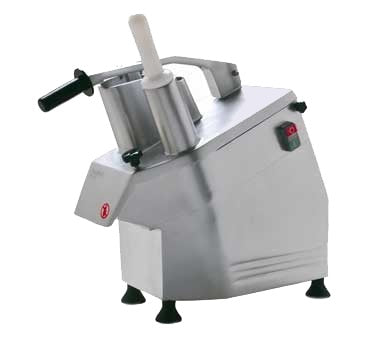
Eurodib USA HLC300 Food Processor
Eurodib USAFood PreparationVegetable Cutter, bench top model, for slicing, grating and shredding all types of vegetables, fruits and cheese, all internal part...
View full details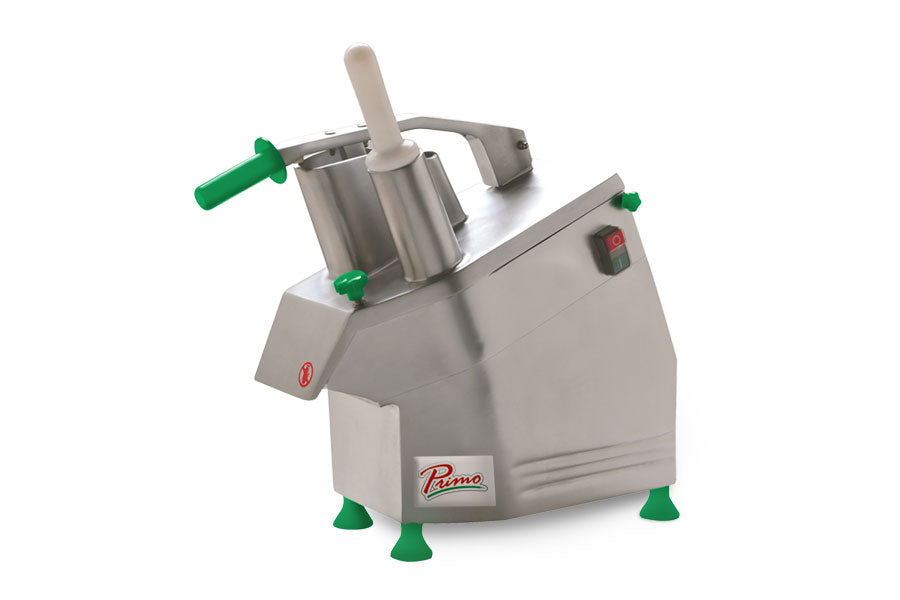
Commercial Food Processor Buying Guide
Choose a commercial food processor around the ingredients you prepare, the finished cut or texture you need, and the volume required before service. Slicing vegetables, grating cheese and making a smooth sauce are different jobs; the right machine must support the specific task rather than simply carry a powerful motor or an “industrial” label.
This collection includes the Eurodib USA HLC300 Food Processor, a benchtop vegetable and cheese cutter. Use the guide below to compare preparation methods and purchasing requirements, then confirm the exact model's approved applications, included cutting discs and current availability. Discussion of other processor formats is selection guidance, not a claim that every format is currently offered.
Match the Processor Format to the Job
Separate batch-bowl processing from continuous-feed preparation when comparing equipment. A bowl processor may suit chopping, mixing or puréeing where those functions are approved, while a continuous-feed machine handles compatible ingredients through cutting discs into a receiving container. Do not assume every food processor can make sauces, knead dough or process meat.
| Prep requirement | Format to evaluate | What to confirm |
|---|---|---|
| Sliced or grated produce and cheese | Vegetable cutter or continuous-feed processor | Approved ingredients, disc selection, feed opening and receiving-container access |
| Chopped ingredients, dips or purées | Batch-bowl processor | Approved blade, usable batch capacity, liquid limits and required texture |
| Diced vegetables | A machine with an approved dicing arrangement | Exact disc-and-grid combination and whether it is included or optional |
| Dough or dense mixtures | Equipment specifically approved for that recipe | Ingredient limits, batch weight, tool and duty requirements; do not assume a vegetable cutter can do the work |
Build the equipment choice around the repetitive tasks that take the most preparation time. A restaurant preparing sliced vegetables for sandwiches has different needs from a kitchen making batches of dressing. Where your operation needs specialized meat preparation, compare the relevant meat slicers or meat grinders instead of treating a food processor as a universal substitute.
Eurodib HLC300 Vegetable and Cheese Cutter
The HLC300 product listing describes a benchtop machine for slicing, grating and shredding vegetables, fruits and cheese. It lists five included discs: 3 mm and 5 mm slicing discs, plus 3 mm, 5 mm and 7 mm grating discs. Confirm the supplied package and suitability for your actual ingredients before ordering.
Treat this as a cutting-disc machine, not a bowl processor for sauces or an all-purpose dough mixer. The listing does not establish that a dicing kit is included. Check the HLC300 specification sheet and request the current operating instructions when evaluating installation or an application that is not clearly described.
Choose Cutting Discs Around Your Menu
List the ingredient, desired slice thickness or shred size, and quantity for each recurring task. This gives you a practical attachment checklist: one kitchen may need thin cucumber slices, while another needs a particular cheese shred for consistent portions. Verify that the machine and tool are approved for the ingredient and its preparation condition.
Compare included tools with optional accessories so the quoted equipment price reflects the setup you actually need. A slicing disc does not establish dicing capability, and a similar-looking disc from another machine should not be assumed compatible. Obtain the exact accessory part number for the model rather than matching by diameter or photograph alone.
- Cut specification: Confirm the listed thickness or grate size rather than relying on labels such as “fine” or “coarse.”
- Ingredient preparation: Check any peeling, trimming, portioning or temperature instructions before feeding the machine.
- Changeovers: Include shutdown, tool changes and cleaning between tasks in the preparation plan.
- Replacement support: Ask about availability and lead times for the exact cutting tools and other service parts.
Plan Capacity Around the Busiest Prep Window
Translate “high volume” into a specific workload. Record how much of each ingredient must be ready, the available preparation window, and the number of changes between cuts or recipes. Compare documented performance for those tasks rather than selecting by horsepower alone or applying a generic pounds-per-hour figure to every food.
For batch equipment, distinguish nominal bowl volume from the permitted working amount for the recipe. For continuous-feed equipment, include time for washing and trimming ingredients, loading, moving receiving containers and changing discs. Machine cutting speed is only one part of the complete preparation process.
If possible, request a demonstration with ingredients and cut sizes representative of your menu. Evaluate the finished result as well as speed: note usable yield, consistency, staff handling and cleanup. Estimate time savings from that complete process rather than assuming every minute of cutting-time reduction becomes a payroll saving.
Counter Space, Power and Workflow
Measure more than the machine's footprint. Allow the space specified for feeding, opening covers, removing tools and placing a suitable receiving container. Keep prepared food and unprocessed ingredients organized so staff do not have to reach across the cutting station or block another work area.
Confirm the exact voltage, frequency, phase, plug and electrical requirements with the product documentation and installation professional. Provide stable support suitable for the machine and normal operation. Do not assume a countertop location is suitable simply because the equipment fits between other appliances.
Review the equipment's intended commercial application and applicable safety or sanitation documentation before purchasing. Neither a stainless-steel finish nor the word “industrial” establishes approval for every kitchen. Ask the supplier to resolve unclear specifications before installation rather than improvising modifications after delivery.
Cleaning, Safe Operation and Maintenance
Review how food-contact components come apart and follow the manufacturer's shutdown, cleaning and sanitizing procedures. Plan the cleaning frequency around the food being processed, changes between tasks, allergen controls and applicable food-safety requirements. A quick exterior wipe is not a substitute for cleaning the parts that contact food.
- Before removing tools: Stop and isolate the equipment as directed, wait for moving parts to stop, and follow the manual's blade-handling precautions.
- Food-contact parts: Use approved washing, rinsing and sanitizing methods. Do not assume discs, lids or other removable parts are dishwasher-safe.
- Motor housing: Follow the specified cleaning method; do not immerse or spray electrical components unless the manufacturer explicitly permits that procedure.
- Guards and pushers: Use the supplied safety features as designed. Never bypass an interlock or use hands or improvised utensils to push food toward cutting tools.
- Condition checks: Inspect components according to the manual and remove damaged tools or unsafe equipment from service. Leave internal electrical and mechanical repairs to qualified personnel.
Keep cutting-tool identification, cleaning instructions and service records with the machine. Follow manufacturer guidance for sharpening or replacement rather than applying a universal sharpening method or maintenance interval. If operation changes, record the ingredient, tool and symptoms so service personnel can investigate without relying on guesswork.
Compare the Complete Cost of Ownership
Compare the machine, required accessories, installation, cleaning time and replacement tools together. Check parts-and-labor warranty coverage and local service availability separately. A low purchase price is not the whole cost if the needed disc is extra or a routine replacement leaves the prep station unavailable.
For a larger equipment purchase, review our restaurant equipment financing information and compare the written terms with an outright purchase. Base your decision on the actual workload and complete costs, not a promised payback period or an assumed reduction in staffing.
Commercial Food Processor Buying Questions
Can every commercial food processor make sauces and purées?
No. Confirm the function on the exact model. A cutting-disc vegetable processor should not be treated as a batch-bowl machine simply because both are described as food processors.
Does the HLC300 include a dicing attachment?
The current listing identifies slicing and grating discs, not an included dicing kit. Ask for confirmation of any additional compatible attachment before planning a dicing task around this model.
Is a larger motor always the better choice?
Choose by approved applications, workload, cutting tools and documented operating limits. Horsepower alone does not establish output, suitability for a particular ingredient or permission for continuous operation.
What information should I provide before ordering?
Provide your main ingredients, required cuts, preparation quantities, available working time and installation details. Confirm the included tools, cleaning process, service support and availability of the exact model before committing to the purchase.